- About WordPress
- Greater Omaha Chamber
- Customize
- 55 updates available
- New
- WP Engine Quick Links
- Edit Page
- Edit with Elementor
- SEO12noindex is on!
- Notes


When you walk through a commercial building, warehouse, apartment building, manufacturing facility, or hospital, it’s easy to notice the finishes, lighting, and architecture. What you don’t see are many of the systems working behind the scenes to help protect the building and the people inside it.
Intumescent coatings are a form of passive fire protection (PFP) designed to protect structural steel during a fire. Unlike active fire protection systems such as sprinklers or alarms that respond to a fire event, passive fire protection is built directly into the structure, helping maintain its integrity even under extreme heat.
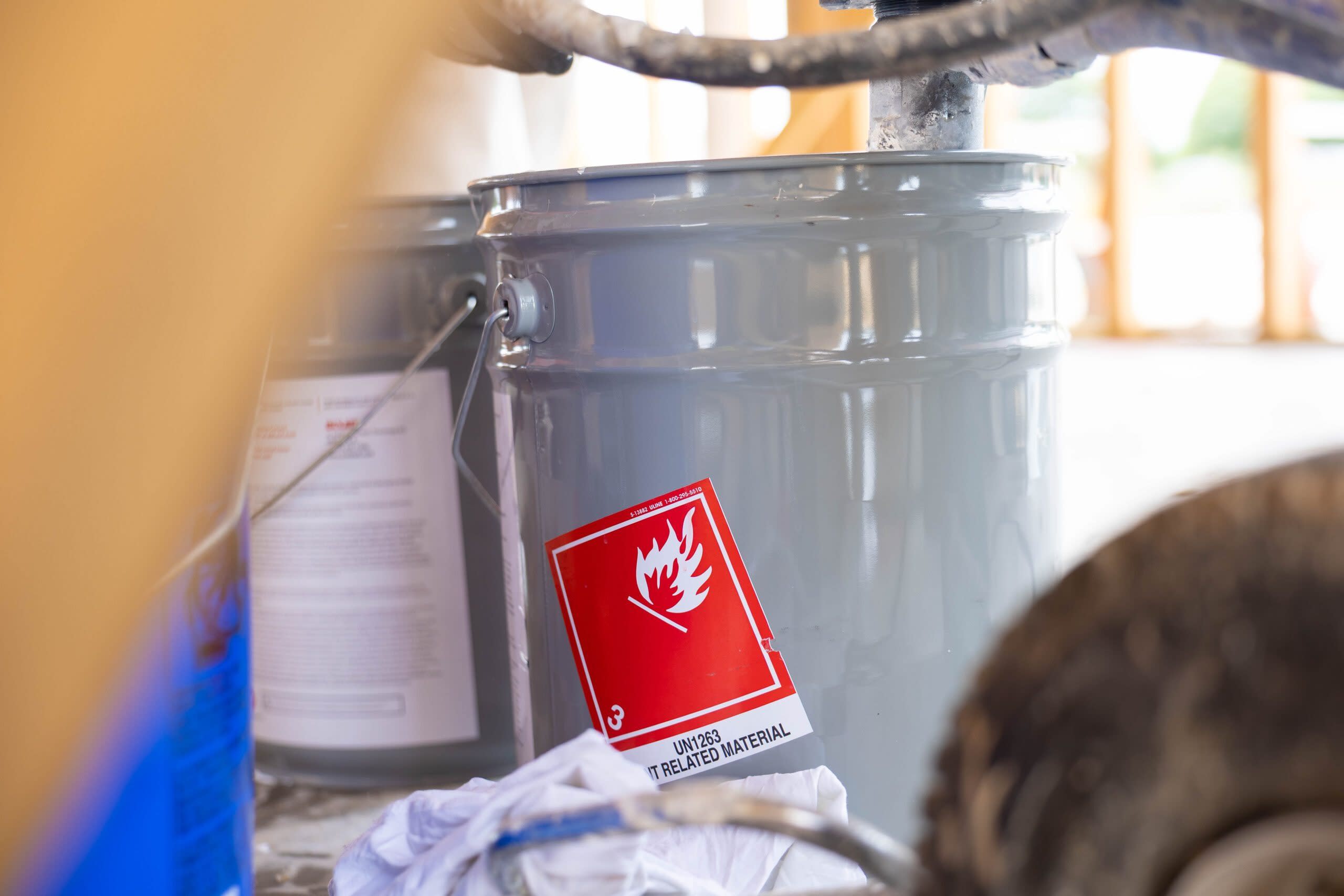
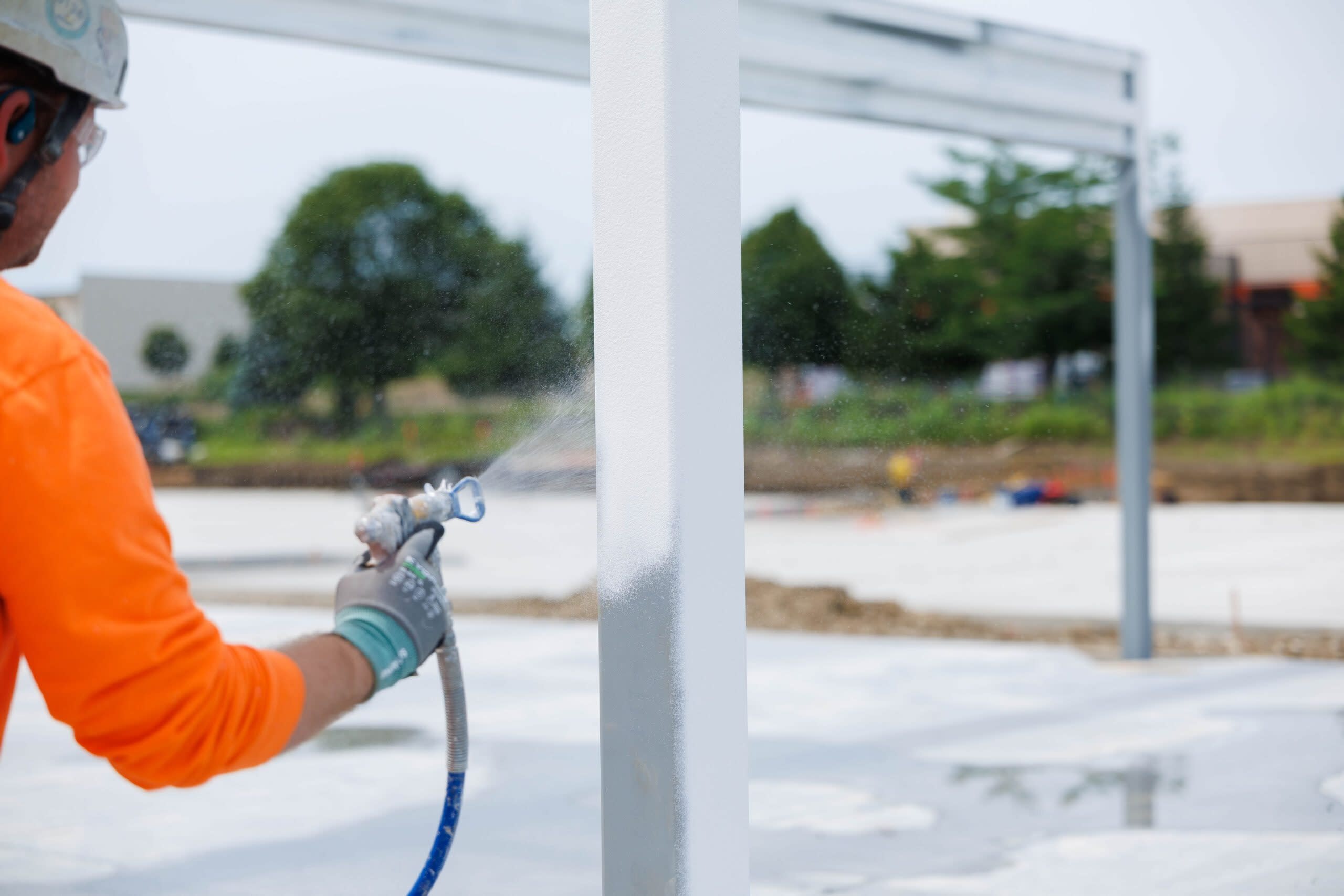
At first glance, an intumescent coating looks much like conventional paint. Under normal conditions, it serves as a durable architectural finish while remaining virtually unnoticeable.
However, when exposed to the high temperatures generated during a fire, the coating undergoes a chemical reaction. It rapidly expands, sometimes to many times its original thickness, creating a dense, insulating layer of char around the steel.
This expanded char significantly slows the transfer of heat to the structural steel beneath it.
Steel is an incredibly strong building material, but its strength decreases rapidly as temperatures rise during a fire. Without protection, structural steel can heat quickly, losing its ability to support long before the fire is extinguished. This can increase the risk of structural failure and compromise the safety of occupants and emergency responders.
By insulating the steel, intumescent coatings help delay this temperature rise, allowing the structure to maintain its load-bearing capacity for the fire-resistance rating specified by the building’s design and applicable codes.
That additional time can be critical for:
The performance of an intumescent coating depends on far more than simply applying paint.
To achieve the required fire rating, contractors must carefully follow manufacturer specifications and project requirements throughout the application process. This includes:
Even small variations in coating thickness can affect the system’s certified fire-resistance performance, making experienced application essential.
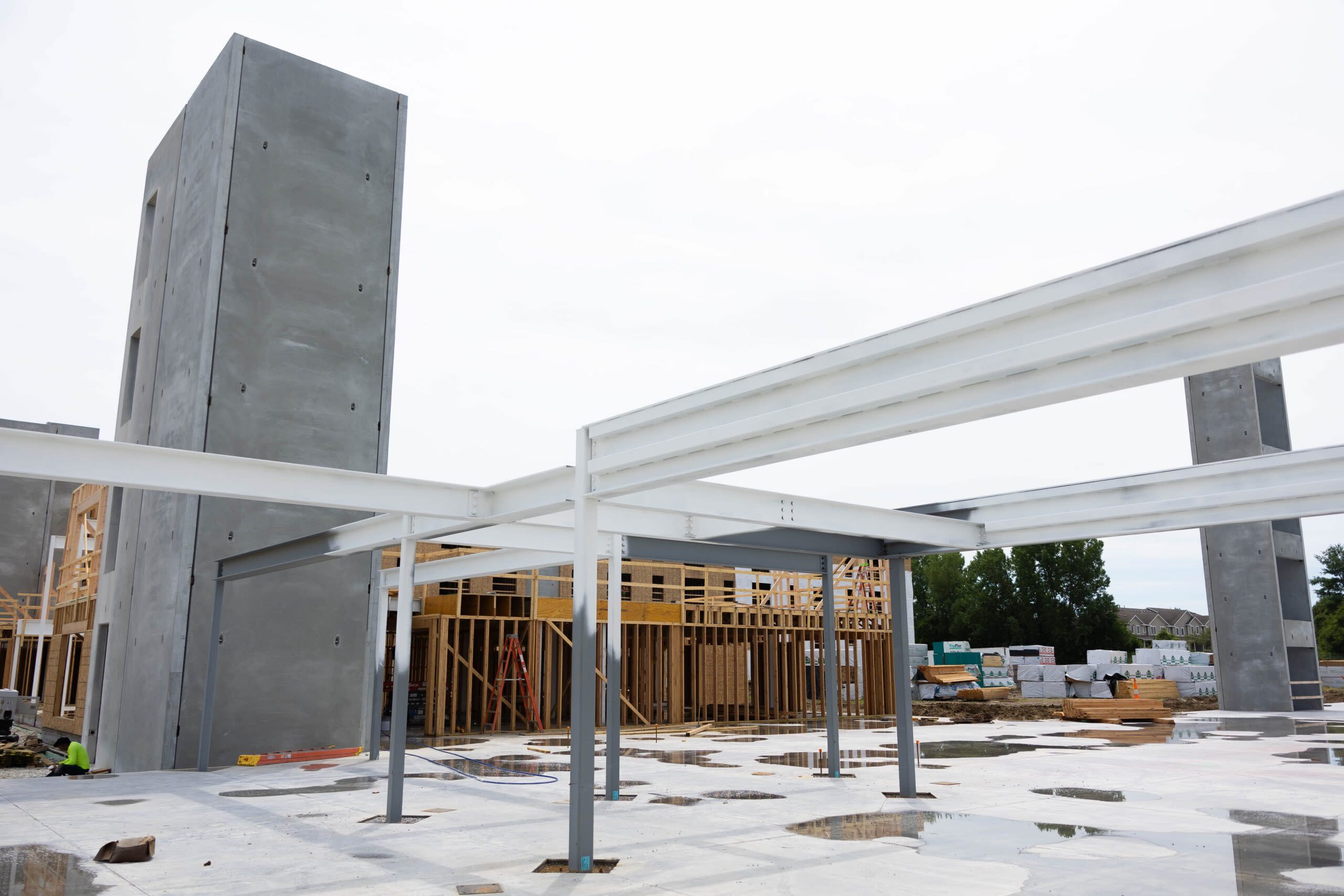
Intumescent fireproofing is commonly specified in commercial and industrial construction where exposed structural steel requires both fire protection and an attractive architectural appearance.
Typical applications include:
Because the coating provides a smooth finish while protecting structural members, it is often selected when exposed steel is part of the building’s architectural design.
Installing intumescent coatings requires specialized knowledge, attention to detail, and a thorough understanding of manufacturer requirements and project specifications. When it comes to passive fire protection, every mil matters.
If you’re constructing a new commercial facility or renovating an existing structure, properly applied intumescent coatings help provide the fire resistance your project requires while maintaining the appearance of exposed structural steel.


Media Contact : Cam Ostwinkle
Related Links : https://www.jctoland.com/
Source : https://www.jctoland.com/blog/intumescent-coatings-passive-fire-protection/

