

When most people think of painting, they think of color, appearance, and the finishing touches of a project. And while those things are important, there are plenty of environments where paint needs to do a whole lot more than just look good.
That’s where high-performance coatings (HPC) come in.
From industrial facilities and manufacturing plants to commercial buildings, high-performance coatings are designed to protect surfaces against conditions that standard architectural paint may not be equipped to handle.
But what makes a coating “high-performance,” and how do you know which type your project needs?
High-performance coatings are specialized coating systems designed to provide additional protection, durability, and resistance based on the demands of a particular environment.
Unlike standard architectural paint, which is generally used for appearance and everyday surface protection, HPC systems are formulated to withstand more demanding conditions, including chemical exposure, moisture, corrosion, abrasion, and frequent cleaning.
The type of protection depends on the coating itself. Some are designed to protect steel from corrosion, others provide chemical-resistant surfaces, and certain specialty coatings serve entirely different purposes, such as passive fire protection.
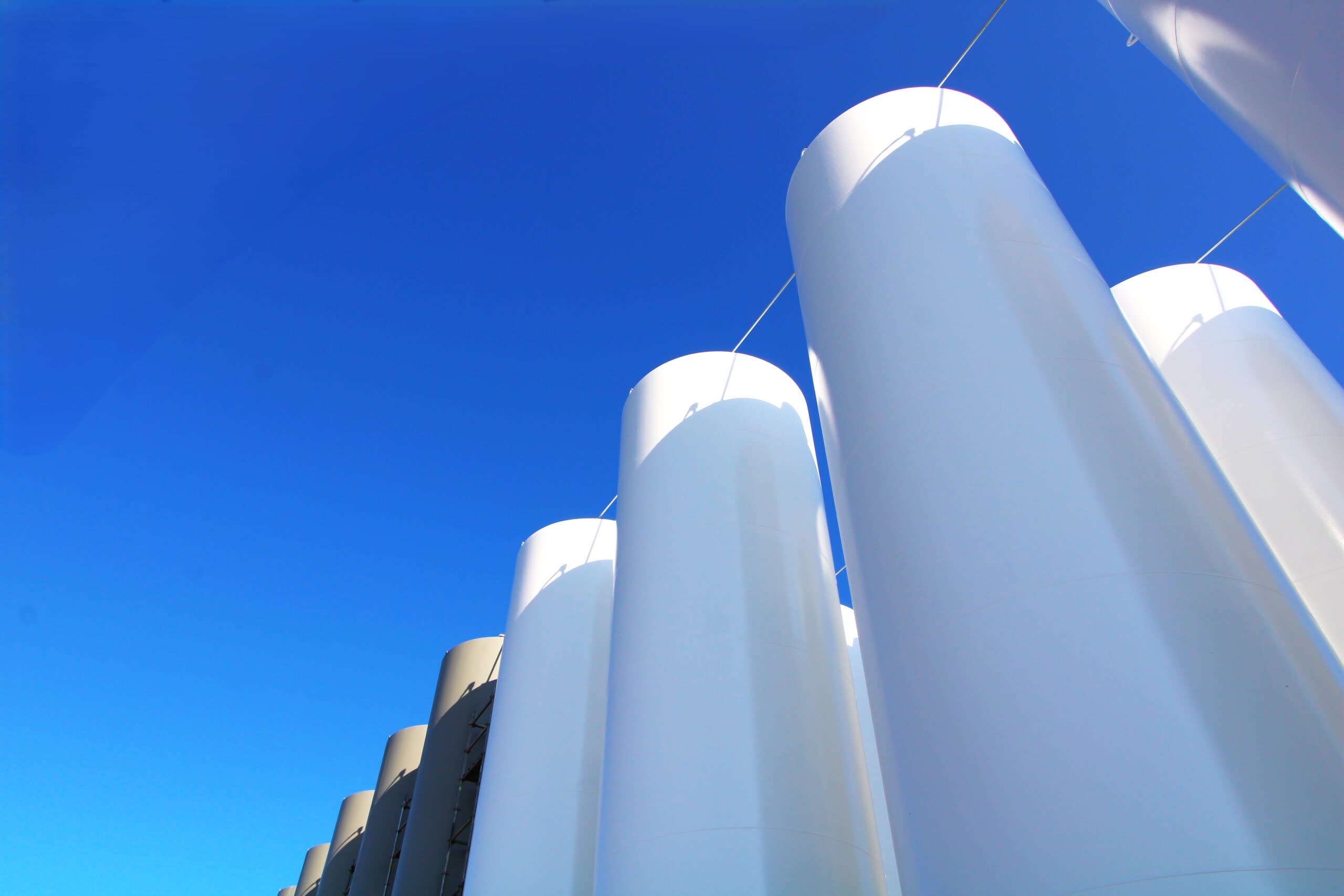
There’s no one-size-fits-all solution when it comes to high-performance coatings. Different products are designed for different substrates, environments, and performance requirements.
Here are several types of protective and specialty coatings commonly used in commercial and industrial construction.
Epoxy coatings are widely used in commercial and industrial environments because of their adhesion, durability, and resistance to certain chemicals and abrasion.
They’re commonly applied to concrete floors, structural steel, tanks, and other surfaces that need additional protection against wear or environmental exposure.
Common applications include:
Epoxy systems come in different formulations, and their performance varies depending on the product. Some are designed for chemical resistance, while others focus on corrosion protection or heavy-duty floor applications.
Intumescent painting serve a different purpose than traditional protective coatings.
Rather than primarily protecting against moisture, chemicals, or abrasion, they’re designed to help protect structural steel during a fire.
When exposed to high temperatures, intumescent painting expands and forms an insulating char layer. This helps slow the rate at which heat reaches the steel, allowing the structural members to maintain their load-bearing capacity longer under fire conditions.
Intumescent paint is one form of passive fire protection (PFP) and is often specified on commercial buildings where structural steel must meet particular fire-resistance requirements.
Common applications include:
These systems must be applied according to their tested assembly requirements, including the appropriate coating thickness, to achieve the specified fire-resistance rating.
Polyurethane coatings are commonly used where a durable finish, color retention, and resistance to weathering are important.
Depending on their formulation, these coatings can offer strong abrasion resistance, UV resistance, and long-term exterior performance.
They’re frequently used as topcoats over compatible primers or epoxy systems, particularly on exposed steel and other surfaces subjected to outdoor conditions.
Common applications include:
Roof coatings are another category of specialized protective systems designed to extend the service life of compatible existing roofing materials.
Depending on the product, these coatings can help protect against UV exposure, weathering, and water intrusion. Certain reflective systems can also reduce solar heat absorption at the roof surface.
Roof coatings come in several formulations, including acrylic, silicone, and polyurethane systems, each with different performance characteristics and application requirements.
Common applications include:
It’s important to understand that roof coatings aren’t a solution for every roofing problem. The existing roof’s condition, drainage, substrate, and compatibility all play a role in determining whether a coating system is appropriate.
Beyond these common systems, commercial and industrial projects may require additional coating technologies for more specific conditions.
For example, zinc-rich primers are often used as part of corrosion-protection systems for steel, while certain high-build and chemically resistant coatings are designed for more aggressive industrial environments.
Insulative coatings may also be specified for particular thermal or condensation-control applications.
The right product depends on what the surface will be exposed to and what the project specifications require.
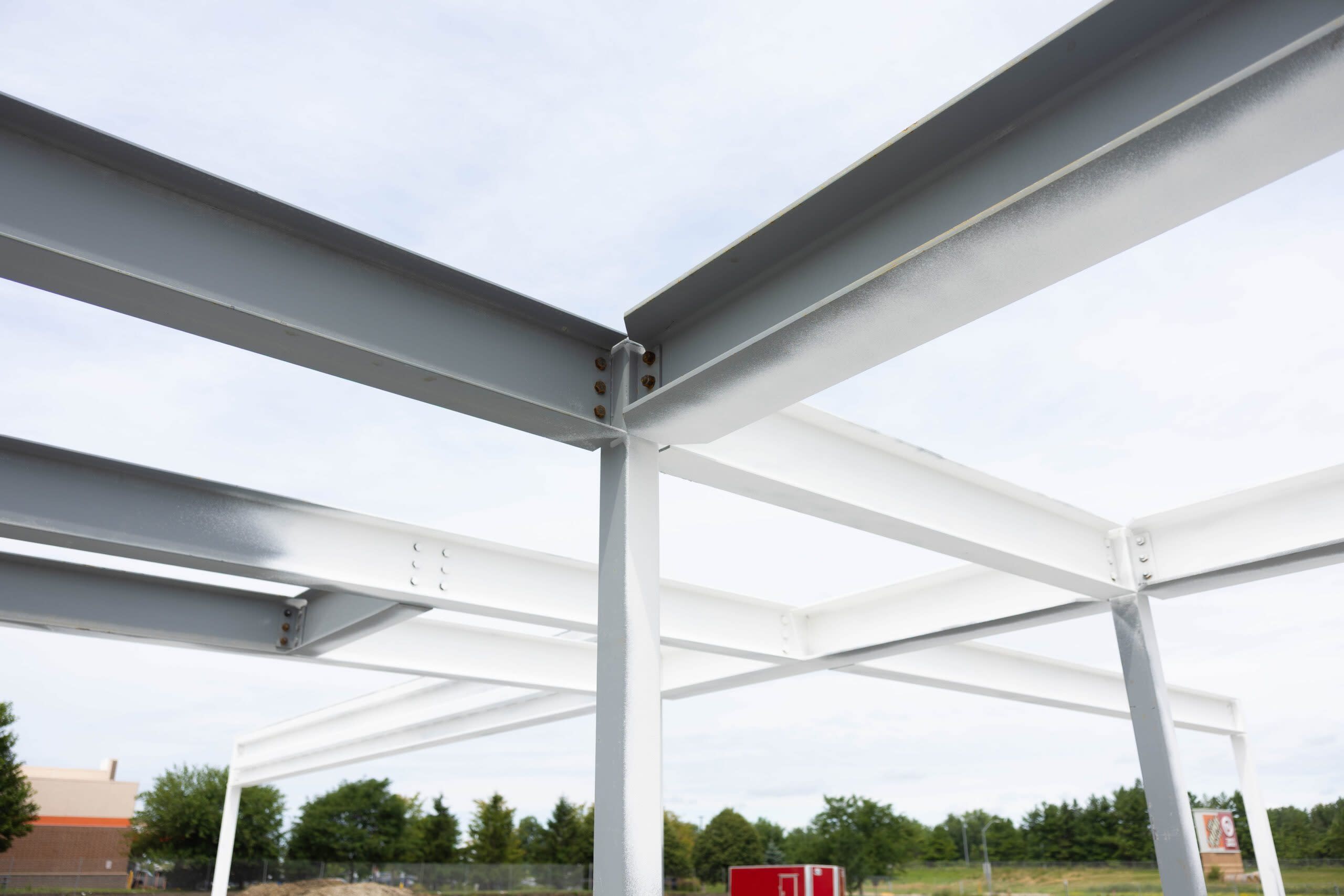
Not every surface needs an industrial-grade coating system. In many commercial spaces, standard architectural paint is perfectly suitable.
However, high-performance or specialty coatings may be necessary when a project involves:
Ultimately, the decision comes down to the surface, its environment, and the performance requirements outlined in the project specifications.
Even the best coating system won’t perform as intended if it’s applied incorrectly.
Before application, surfaces may require cleaning, degreasing, abrasive blasting, repairs, or other preparation methods to remove contaminants and create the proper surface profile.
Application requirements also vary by product. Factors such as temperature, humidity, coating thickness, recoat windows, and curing conditions can all affect the finished system.
For multi-coat systems, compatibility between primers, intermediate coats, and topcoats is equally important.
Following the specified preparation and application procedures helps prevent issues such as poor adhesion, premature peeling, corrosion, and coating failure.
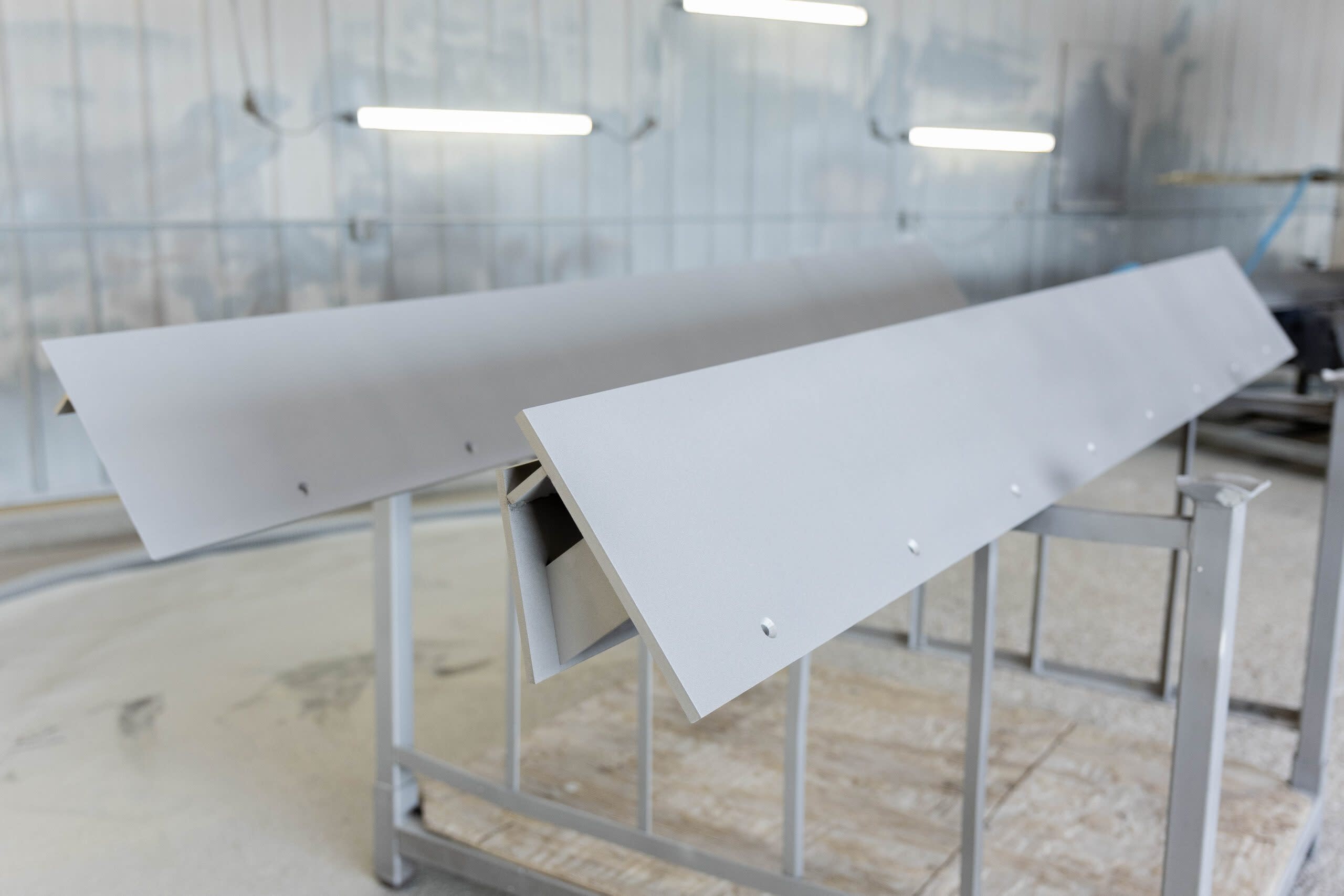
At JC Toland, our experience with commercial and industrial coating systems extends across a wide range of projects and applications.
From exposed structural steel and industrial storage tanks to specialty coatings, intumescent fire protection, and roof coatings, our team understands the importance of applying the right system for the job.
We work with project specifications, manufacturer requirements, and the unique conditions of each facility to deliver properly prepared and applied coating systems.
Have an upcoming commercial or industrial project that requires high-performance or specialty coatings? Contact JC Toland to discuss your project’s needs.
Media Contact : Camber Ostwinkle
Related Links : https://www.jctoland.com
Source : https://www.jctoland.com/service/industrial-painting/abrasive-blasting/